Categories
Bali Travel

Bali Travel Writing – Seven Weeks In

I’ve been in Bali now for over seven weeks writing the travel guide for travelfish.org. The information is now online which is really quite quick for destination information that has been solidly researched! Many paperback travel guides can be 6-12 months out of date by the time you purchase the latest version, so this really is impressive stuff.

I’ve been wanting to write about my experience as the researcher of a travel guide…but I just can’t figure out what angle to take…and what would be interesting to a reader. So for now, I’ll leave that story until another time but I’d like to know what you want to know about — if anything!
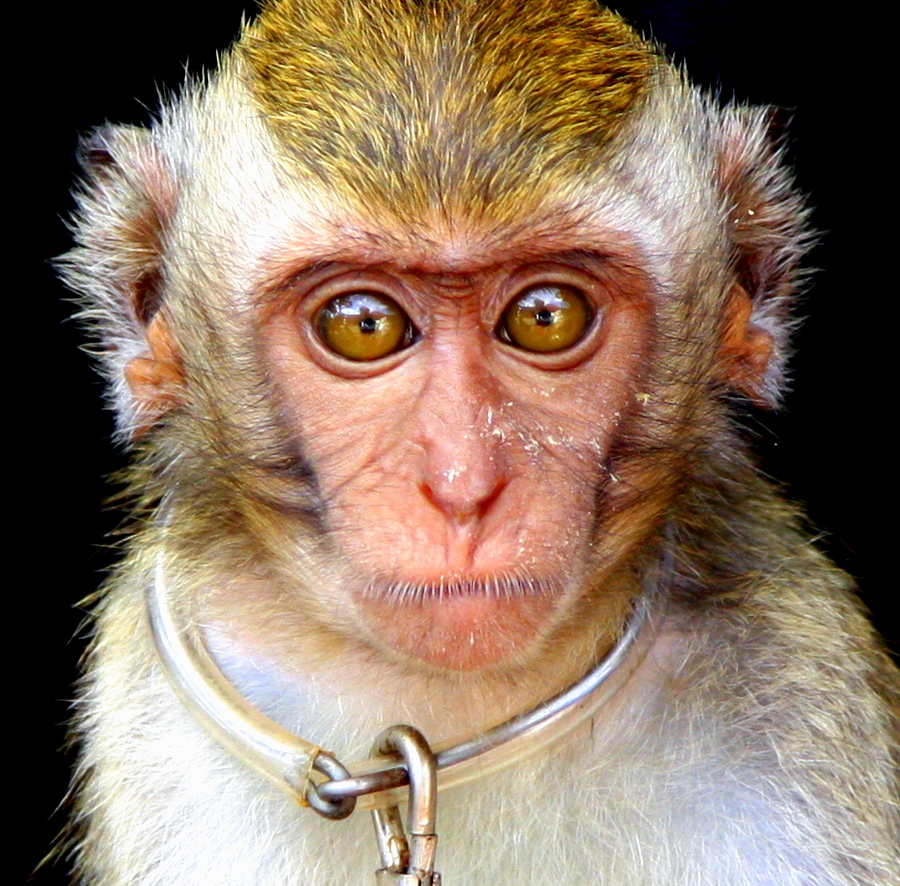
Bali: Sad Monkey
Bali: Sad Monkey

Bali really is an interesting place. Most people know that the Kuta/Legian area is mass-tourism-central and for that reason, most people talk about avoiding it like the plague. But that story isn’t backed up by the facts. The fact is that there are a lot of budget travellers in town. A LOT. I mean, OVER RUN. So I’m sort of getting the impression that while it’s cool to say that Kuta is a terrible place, most people stay here for a few days or a week anyway and take in the sun, sand and surf as well as cheap beer and food. It’s a winning combination despite the throngs that partake in it!

Outside of Kuta/Legian, things have been decidely quiet. The entire North feels comparitively deserted and it is absolute bliss. Places like Amed and Pemuteran have been amazing places to hang around and relax. Yeh Gangga on the south coast felt like a million miles from civilisation. Tirta Gangga felt special because no other tourists were staying around there. Kuta/Legian feels like a different planet. It really does. And I don’t hate it. It’s just different.

Bali: Yeh Gangga Ceremony

There has been a bit of debate on the interwebs in recent times about internet access in Bali and how awful it is. Quite frankly, it’s all rubbish. I have had very cheap 3G internet the whole time here except for a black spot in Yeh Gangga. The rest of the time I’ve been getting better coverage than in many parts of Australia and the cost has been $11 for 300mb. That’s a bargain for mobile data on a phone. It gets even cheaper if you go into the Simpati shop and get a proper 3G broadband deal. Free WiFi has been rare outside of Kuta/Legian, but the guesthouses and cafes are generally so cheap that to get free WiFi would be a fantastic bonus. When I have gotten free WiFi, the connection has usually been 1mbit, but has sometimes been 4mbit. That’s pretty good, I reckon.
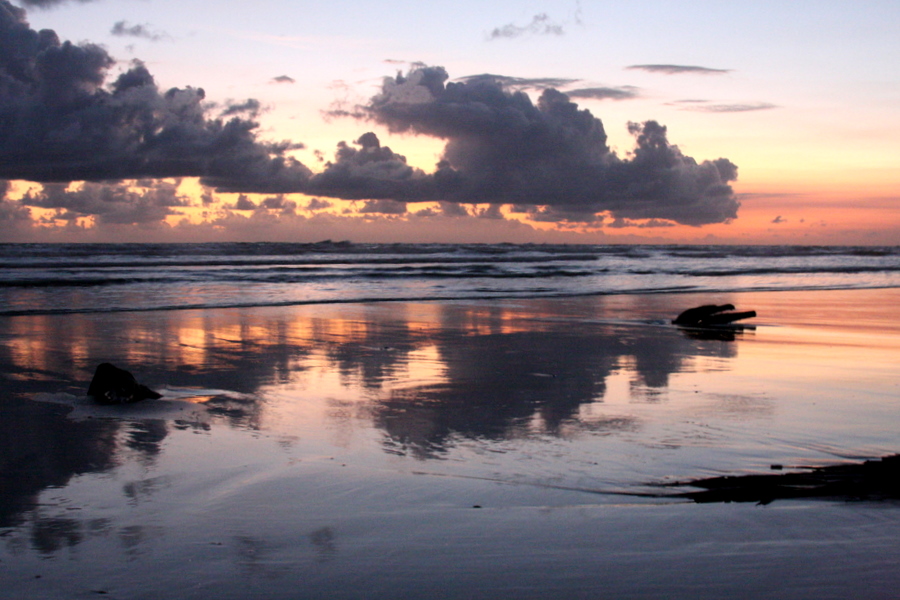
Bali: Yeh Gangga Sunset

Costs have been like this so far. Average accommodation price for me has been 150,000 rupiah ($16.50) inclusive of tax and breakfast. This has usually gotten me a good quality room and occasionally with hot water and very rarely with air-con. I hired a car for 40 days earlier and that cost $9 per day. Petrol is dirt cheap and not even worth explaining in detail, but just say it’s 50c/L and you don’t use much here. I’ve tried to eat one local meal per day and those have cost me $1.50 with a drink. Occasionally $3 if I go overboard and load up on meat. Tourist meals have been around the $6 mark which will normally gets me a pizza or burger or some other Western rubbish that I can’t do without. A big bottle of beer is $2.50.

I honestly thought loneliness was going to be a problem, but it hasn’t been. I have been so well-connected to the internet via my iPhone that it really doesn’t feel that different to being at home. Twitter, facebook and the web have been great companions, no matter how nerdy and socially isolationist that sounds!
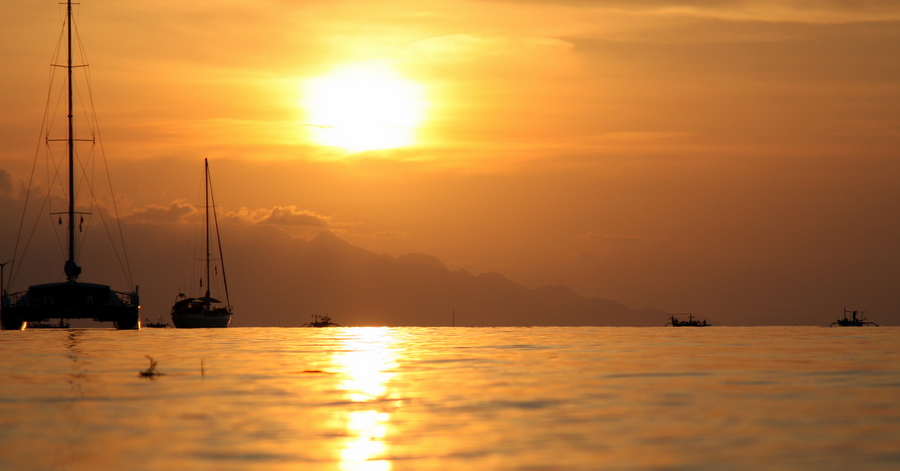
Bali: Lovina Sunset
Bali: Lovina Sunset

All in all, it’s been a great time, relatively cheap and I have not been slumming it. I’ll try and get some inspiration up to write about my travel writing gig. In the meantime, ask as many questions as you like!

Categories
Bali Lifestyle Design Travel

Travel Writing in Bali!

A little while back I started writing some Bali travel posts documenting my love for Bali and some of the things that I’ve enjoyed doing there. Since I started that process, I’ve been given an amazing opportunity to actually formalise some of my knowledge of Bali by conducting research and writing reviews on behalf of the fabulous company, Travelfish. Travelfish specialise in South East Asia travel guides, primarily in the online world via their website and iphone apps. They have recently expanded their coverage into Indonesia and I will be the writer for the Bali portion.

So I thought this would be a good opportunity to document my experiences travelling around majestic Bali and I’ll therefore be posting some articles about this.

The plan is to spend between 8 and 10 weeks completing this task. I intend to rent a car for most of the time in order to make transport between destinations speedy, but still affordable. I’ve already been through East Bali and I intend to complete a loop of the island before heading inland.

People have constantly been telling me how this is a dream job – and in many ways it is. But I have to keep reminding people that it’s not like some kind of paid holiday. I’ll actually be working the entire time, earning travel writer’s wages and living a fairly isolated existence! But yes, I do feel fortunate to have been given this opportunity, I am passionate about travel and therefore this fits into my general philosophy of pursuing my passions – I plan to make the most of it.

Categories
Travel

Help People in Cambodia!

I’m not one to plug things on my blog. I’m not one to do the whole guest post thing… mainly because no one wants to guest post on my blog. 🙂 But @hannahdemilta from the twiiterverse had a proposition that tugged at my desire to be a good guy. So basically there is this organisation that helps poor people. And they need money to help the poor people. So they’re running a tour where you get sponsors and go on a cycle in Cambodia. Part fun, part a feel good thing. Works for me! So here’s the spiel:

ActionAid Australia, a global anti-poverty agency, has been working in Cambodia to help farmers and their families create and build sustainable farming livelihoods. Since 2006, ActionAid has worked with these communities affected by landmines. The focus of ActionAid’s community development projects is now on increasing incomes through better farming techniques, training farmers in important business skills, such as selling and negotiating prices for their produce, and the benefits of rain tanks, water storage and management knowledge so that the productivity of farmers continues to rise. These skills together will help these communities start to build their own small businesses and farming co-operatives – initiatives that mean more food for themselves and their children as well as additional income.

This March we are organising a First Hand Experience trip to Cambodia. It is set as a fun, physical challenge (cycling 50-90kms per day) – aimed at getting you out of your comfort zone! It is also a fundraising challenge – to raise money to support ActionAid’s work around the world. It’s all part of having an incredible life-changing experience. The area where we will be working is one of our Child Sponsorship areas so it’s a great opportunity to see how your support directly benefits the communities – whether it’s through better education, training for women or improved water facilities.

It’s a 10 day adventure, 6 days of cycling through the breathtaking countryside of Cambodia, where you will visit the incredible ruins of Angkor Wat, and the vibrant city of Phnom Penh. After that you will spend several days at one of our current projects, working alongside the local community, sharing their hardships, their progress and their joy first-hand as you work in partnership to change their lives for the better. These First Hand Experience adventures raise between $40,000 and $100,000 on average which will make a massive difference to the communities.

Are you passionate about traveling and making a difference? ActionAid would love for you to get involved. While the actual trip does not take place until March, the registration deadline is coming up. If you are registered before November 1st you will go into the draw to win some great prizes; we have great outdoor clothing and accessories from GORE-TEX ® (value $900), DEUS Cycleworks ($300) and North Sails ($150) as well as a trip from Greater Port Macquarie Tourism ($2,000).

The ActionAid Australia site has all the details, including an information pack which you can download. Visit our site to learn more.

We would love to hear from you and hope you’ll join us on this amazing journey. It will be a ride of a lifetime!

Categories
Bali Travel

Bali Travel: Ubud

This is Part 3 of my Bali Travel Overview which started here and was continued here.

I’ve generally encountered two types of people that enjoy Bali. The beach types and the culture types. The beach types predominantly hang out in the South (Kuta, Legian Seminyak and the Bukit) and the culture junkies in the centre – the centre being Ubud. So what does “culture” exactly mean? Well, it’s a catchall for seeing dancing, galleries, doing yoga, eating great food, staying in plush accommodation and wandering through the ricefields. If you like this stuff, you’ll love Ubud because it has it in spades.

On the cultural front, just about everyone visits a traditional dance in one of the main styles: Legong, Barong, Kecak etc. Although in the centre of Ubud these are put on purely for tourists, they still honour the traditional methods and in some cases offer a better experience than what you find in local villages. The main reason being that it costs a lot of money to have a hire a gamelan and train a bunch of dancers to the level that are on display in the centre of town. The other main cultural activity that people partake in is visiting local artists’ galleries and the woodcarving village of Mas or the stonemasons’ village of Batubulan.

Bali: Dancer
Bali: Dancer

Another favourite of visitors to Ubud is visiting a spa. Now for the blokes, this might seem a little girly, but it’s actually a pleasure to roll up and have a massage for an hour or two. Some places charge western prices and some are as cheap as USD$5 for an hour massage. You generally get what you pay for, but at the cheaper end competition is so fierce that with a little shopping around you can get a top massage in clean surrounds for a fraction of the price you’d pay at home.

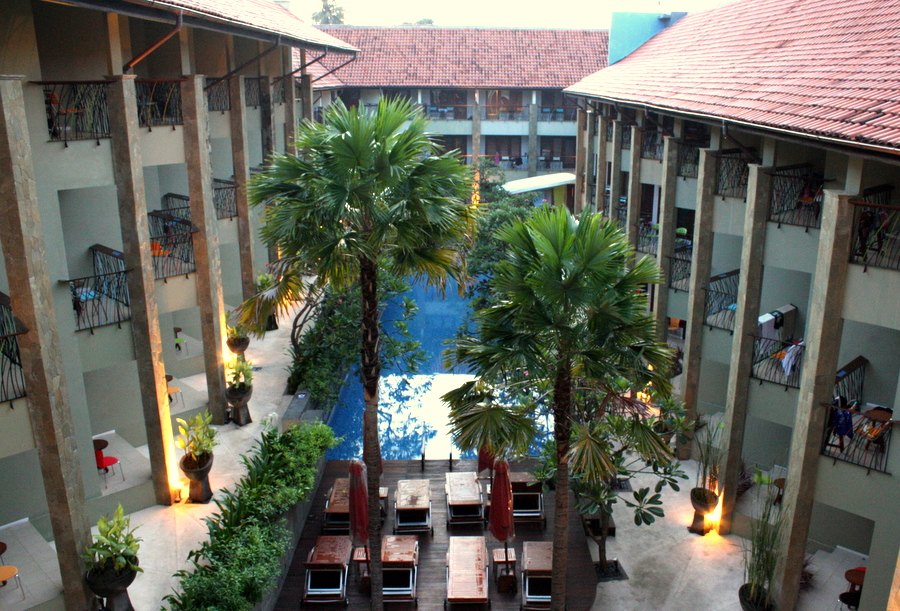
Accommodation in Ubud ranges from a bare room with cold shower to hotels that rank among the best in the world. Most of the best accommodation options are located so far out of town that you have to use the hotel shuttle to get anywhere and are really only practical for those wanting seclusion. In the centre of town there are any number of cheaper options with common prices being around the USD$15/night and USD$40/night marks. Cheaper than this and you’re likely to get something not very nice.

Bali: Plush Accommodation

For foodies, Ubud has all that you could ask for. World-class dining, great coffee, locally run eateries (rumah makan/warung) and even an organic food market. Most of the top-quality dining is found at the many top-end hotels around town such as Uma Ubud and the Viceroy. But there are also restaurants such as Lamak and Mozaic that are independently run and offer world-class food. The cafe scene in Ubud is also quite developed with Tutmak and Kakiang Bakery serving the best coffee and some good food too! On the local front, everyone visits Ibu Oka for a plate of pig ($3). But there are a bunch of other places that do good local food too like Warung Mendez (mainly for the goat) and Warung Mina. For the health nuts, you cannot go past Kafe or Bali Buddha for a vast menu featuring fresh local produce.

Bali: Lunch at Uma Ubud

The one thing that I find most people don’t do when visiting Ubud is walk. Yeah, people might walk around the big loop that is Monkey Forest Road and Jalan Hanoman, but people rarely get beyond that. But beyond that loop are the endless surrounding ricefields. The Lonely Planet guide has a bunch of walks around the local area and they are generally very good and not too difficult to accomplish despite the oppressive heat. Just take a hat and some water and all is OK. The tranquillity just a 10 minute walk in any direction around Ubud is phenomenal and should not be missed!

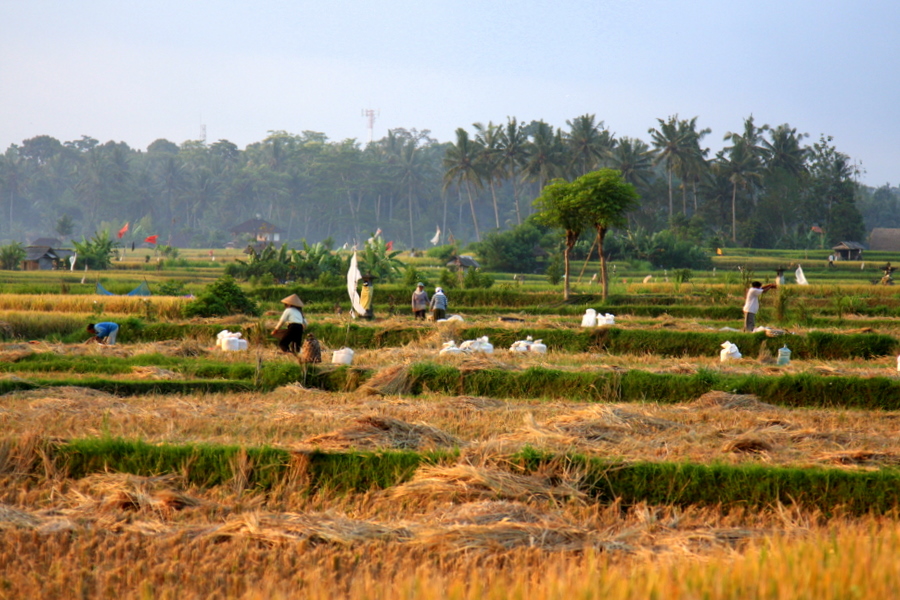
Bali: Endless Ricefields

Visted Ubud? How was your experience? Want to visit Ubud? What do you look forward to most?

Categories
Bali Travel

Bali Travel: Kuta, Legian & Seminyak

This is Part 2 of my Bali Travel Overview which started here.

For some people, these villages situated along a large stretch of beach in the South of the island represent everything that Bali has to offer. The beach, cheap food, cheap accommodation and most importantly, cheap booze. These elements combine to give Kuta, Legian and Seminyak a distinct party feel.

Kuta

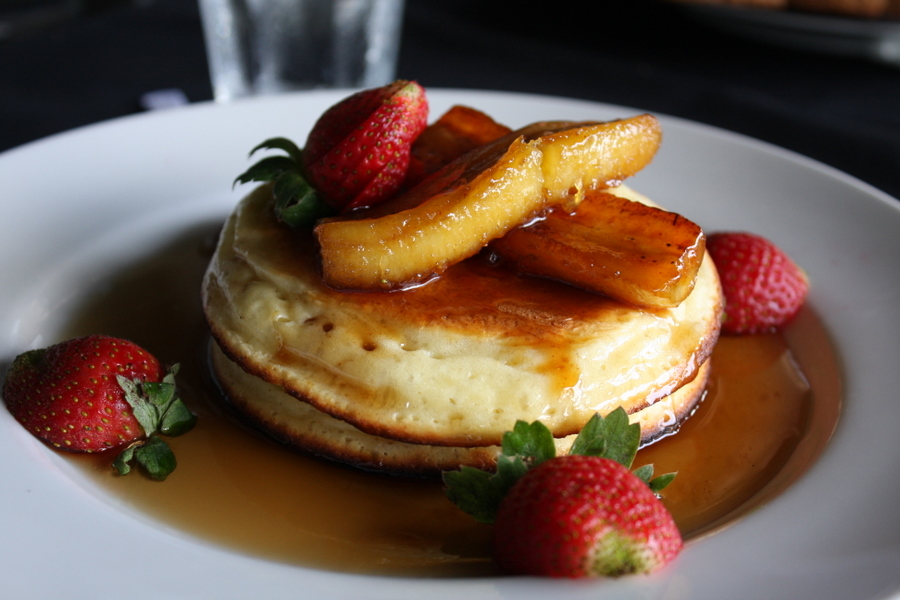
Kuta is the cheaper end of town and consequently has a grungy edge – alleyways with cheap eateries home to local surfer culture, big bars home to Australian football teams on a mid-season break and innumerable shops catering to those shopping on a budget. Large numbers of families visit Kuta on the cheap and there is plenty of accommodation to cater specifically for this demographic. Large sprawling hotels with nice swimming pools, kids’ activities and a bar for Mum and Dad. Catering to the surfer/backpacker market, guesthouses are located in the vast maze of alleyways bounded by Jalan Pantai Kuta (Kuta Beach Road) and Jalan Legian. All of these places are cheap and usually come with a breakfast of fruit and omelette/pancake.

Bali: Kuta Beach at Sunset

Food choices in Kuta can be a bit of a disappointment given the opportunities that must abound for proprietors. Many menus look identical, trying to serve up every option imaginable, both Western and Asian. Sometimes these menus have several hundred items and one must wonder how any chef could do any of the dishes justice and how on Earth any of the food could be fresh! With that said, it’s worth putting some effort into finding places that serve more limited selections and sticking to those places that have good numbers of people in attendance.

Kuta itself does not have a whole lot to offer in terms of tourist activities. There is the beach and there is shopping. That’s about it. You might spot the odd cockfight in a side street, but you’d have to be lucky.

Legian

Bali: Family Style Hotel in Legian

I view Legian as just an extension of Kuta. And in reality, it is. Most people don’t even know where Kuta ends and Legian starts because development merges the two into one big mass. With that said, the eating options tend to get a little better when entering Legian with some more cosidered operators serving up country-specific cuisines. You’ll also find some of the better local Indonesian foods in Legian – Warung Melati on Jalan 66 being just about the best I’ve ever had. Accommodation options tend to start increasing in price and quality as do the shops giving the area an ever-so-slightly more refined vibe.

Seminyak

Seminyak is the place you go if you like the beach, partying, hedonism and have a bit more money. Plenty of expats live here and life can be one big blur of parties, social engagements and living it up. So it goes without saying that this is where all the best hotels are located. Names such as the Oberoi, The Legian and a selection of some of the best villas in the world are all here. THE BEST. I mean it.

With the party scene so dominant in this area, there is of course a range of upmarket bars to be seen at, serving imaginative cocktails and mean beats. The atmosphere in some of these places can be intoxicating but for the uninitiated, intimidating. Without some measure of self-confidence, you will feel like everyone is just too cool for school.

Bali: Just a Taste of the Food Seminyak has to Offer

Eating options in this area and further North in Kerobokan change frequently due to the cut throat nature of the business and the price of rent. There are some mainstays that never fail to serve up world-class fare at prices that are almost always less than what you would pay in the West – usually about half the price. If you’re in the Kuta, Legian, Seminyak area and you are a foodie, this is the lace to get world-class food at half the price you’d pay anywhere else. Bliss!

Again, the sights in Seminyak are few and far between. The beach and the bars – and maybe a massage. That’s not to say it isn’t a great place to relax, but tourist activities all lie further afield and will require some form of transport.

Summary

So why go to this area if there is nothing to see? Well, some people love the beach, eating and drinking. And if that is you, at least just for a few days, this is the place to go. Your budget will determine the area you stay in and the people you socialise with as is the case in the West. Just choose your place and go for gold. There is much fun to be had!

Categories
Travel

Spoiling the Thrill of Travel

The first time we travel it is exhilirating. The second, exciting. The third, less exciting. And so it goes. I don’t know how it works for everyone else, but for me, the thrill of travel has been extinguished. I no longer find it exciting and no longer bother to plan for it. I do, however, still find it “interesting”. What I mean by this is that there now must be another purpose aside from just flitting around and seeing a bunch of stuff. There now has to be a purpose which must be linked to my interests or sense of curiosity. My recent trip to Myanmar (Burma) is a case in point. I wanted to go there to get the inside scoop on the polictical situation and how the people were living under these circumstances. A totally worthwhile excursion.

So many people have asked me if I “loved” Burma or if I had a great time. So when I answer “no”, people are shocked. Just because it wasn’t fun fun fun all the time, it doesn’t mean it wasn’t worthwhile. I’m just not going to get all giddy like a schoolgirl over travel any more.

In some ways, this is a little sad. I wish I still got excited by travel. Now, travel simply serves a purpose and I’m OK with that. What about you? Have you become a little numb to travel excitement?

Categories
Bali Travel

Bali Travel Overview

As a bit of a Bali tragic, I do my best to tell anyone and everyone about this fantastic island set amongst 17,000 others in the Indonesian Archipelago. The main reason being that here in Australia, Bali has a very poor image – one of boozy tourists with no shirts on, making fools of themselves whilst destroying the local culture. There is no denying that this is the case in very small parts of Bali. And for those that enjoy this sort of relaxation, good for them. For most others, it’s unappealing and also very avoidable on a trip to Bali. There is so much to say about Bali that I’ve never attempted a blog post before – it’s too big.  This time, I think I’ve got the perserverence to make it happen. So over the coming weeks, I’ll write a number of posts about the different areas of Bali, the food, the accommodation, the things to do. This should be fun.

Kuta, Legian & Seminyak

Bali: Fishing on Legian Beach

The main boozy shenanigans happens in Kuta and Legian. Move further up the beach to Seminyak and the booziness turns more expensive, hedonistic and snobby. If you’re into boozy nights, these are the places to head and there is fun to be had! But for me, it’s in small doses only.

Ubud

Bali: Ubud Ricefield

When people from around the world (aside from Australia) think of Bali, they think of an exotic island with phenomenal people, volcanoes, verdant rice fields and a unique and mysterious culture. Ubud is the place that has all of these elements come together in a tourist-friendly environment. Yes, Ubud is tourist-central, but that’s not necessarily a bad thing. It does the tourist “thing” so well that whilst you get all the tourist creature comforts like hot water, western toilets, clean rooms and unbelievable food, you get a sense that behind the tourist veneer there is a fully functioning Balinese village(s) in operation. And this is true. You will often see ceremonies in full swing with processions, dancing and an assortment of cultural things going on at all times of the year.

A short walk in any direction from the centre of Ubud lands you in the middle of seemingly endless ricefields. Sometimes green, sometimes flooded, sometimes mid-harvest.

The East

Bali: Tirtagangga Water Palace

The East of Bali is visited predominantly by Europeans and hence is very seasonal in terms of visitor numbers. That is, outside of the European Summer, East Bali can seem dead. The main towns are Candi Dasa and Padang Bai although you could probably class Sidemen as part of this as well. Most people visit East Bali to be near the ocean and for a more authentic Balinese experience. The culture here is said to be more traditional than in other parts of the island, but that said, I only notice more poverty and perhaps this is what forces people to rely more heavily on their religion. Needless to say, the entire Eastern landscape is dominated by the 3000m+ (10,000ft) Gunung Agung. It is truly an awe inspiring site.

The North

Bali: Lush valley near Amed

The North generally stretches from Amed to Lovina (and further West for some) and is a  much drier part of the island than the South. Rice is much harder to grow here and you’ll therefore see other crops on the landscape such as corn (jagung) making for a totally different feel to the rest of the island. It can also be brutally hot in these parts adding to the more barren feel of the landscape.

Everywhere Else

Bali: View of South Bali from near Mt Batukaru

The rest of the island, and I’m talking about a vast area, is relatively untouristed (Sanur excluded). It’s great to cruise around the empty roads on a motorbike (US$4/day) or car (US$10/day) and just explore. There are accommodation options in some of these areas catering to tourists and they generally offer a more relaxed and “authentic” experience, but this may be too much for a first time visitor that hasn’t seen the activity-dense hotspots of Kuta, Legian, Seminyak and Ubud.

So that’s a little taster of Bali for now. I cannot emphasise the extent to which most people are captured by this place. Words such as “magic”, “heaven” and “paradise” are thrown about with such regularity that we must ignore them – nothing could be this good. But it is.  The way I like to describe Bali is that I have a small pain in my stomach when I think back on all the fantastic experiences I have had there. A yearning to return again and again.

Categories
Myanmar Travel

Myanmar (Burma): The Capital

Naypyidaw. This is the capital city of Myanmar. A city that hardly anybody would be able to rattle off in a game of trivial pursuit. The reason being is that it’s a relatively new capital, the name is hard to spell (many variations) and pronounce and also the fact that there is nothing there except for the military junta’s bureaucracy. Most Embassies and High Commissions don’t even recognise it and have therefore kept their presence in the more suitable city of Yangon.

As I’ve stated more times that I care to remember, Myanmar’s roads are in the main terrible. Goat tracks. But there is one stunning exception to this. The Government has built a road from Yangon to Naypyidaw strectching over 300km – and it’s almost dead straight. They just simply ploughed this road straight North to the captial and spared no expense. It’s massive. It actually makes this part of any bus journey relatively easy. But when you see some of the poverty in the country, the extravagance of this road is bewildering.

Myanmar: Quite Street near Mandalay

If the road is bewildering, the actual capital blows the mind. It is spread over many kilometres, complete with its own Shwedagon Paya replica. Sprawling boulevards capable of handling Los Angeles style traffic volumes, luxurious manicured garden roundabouts protected by armed military personnel, enormous shopping complexes. It is just staggering to see. Especially when it is populated by a reported 20,000 people. The apparent cost of construction of the capital is US$500m. And every citizen that travels from Yangon to Mandalay has to witness this act of sheer lunacy. Everyone cranes their necks to get a better look at the extravagance and mouths hang open.

How can a Government afford such oppulence when the people are so poor? The people aren’t stupid and I think it just heightens their discontent with the current political situation.

Why the Relocation?

No one really knows why the Government moved to Naypyidaw. Rumours abound of the junta’s fear of a sea-bourne invasion of Yangon. I wouldn’t be surprised if this were true. But there could be countless reasons for the them to make the move and at the end of the day, no answer will seem rational. One thing we can be sure of is that a large amount of self-interest will be at the heart of the decision as is seemingly always the case with these sorts of things.

Naypyidaw is not a tourist destination. It is a source of deep resentment for the locals, however, and you can expect plenty of discussion around it.

(just quietly, every time I think of Naypyidaw, I can’t help but thinking of Canberra, Washington DC and Ottawa!)

There were plenty of military types with weapons in Naypyidaw and consequently I opted not to take photos. What a wimp! If you’ve been there, let me know what you think!

Categories
Myanmar Travel

Myanmar (Burma): Mandalay & Bagan

The Road to Mandalay

Looking at the map, Bagan and Mandalay are fairly close to one another, but the bone-crunching reality is that between these two places the road is like a goat track. One shouldn’t be surprised by this given that most roads in Burma seem to be of the goat-track kind! The journey between the two areas is about 7 hours on a local bus along a largely unpaved, dusty road which travels through endless dry plains and poor villages.

Mandalay

Mandalay is the second city of Burma and sits at the heart of the country. Most tourists will pass through here at least once as it serves as a transport hub for all points in every direction. Many of the people I spoke to before arriving in Mandalay had a generally negative attitude towards the place and I think this mainly evolved from the alleged below-par palace charging unsuspecting tourists US$10 to enter. Again, another Government sting but given that it’s not worth visiting anyway, there’s probably no harm done.

Mandalay is HOT in the dry season and the temperature reaches more than 40C (104F) most days. At night, it is also VERY hot and because the electricity in Burma is very sketchy, there is a better than even chance you will spend some sleepless nights in a lather of sweat. No air-conditioning, no fan. Just heat and humidity.

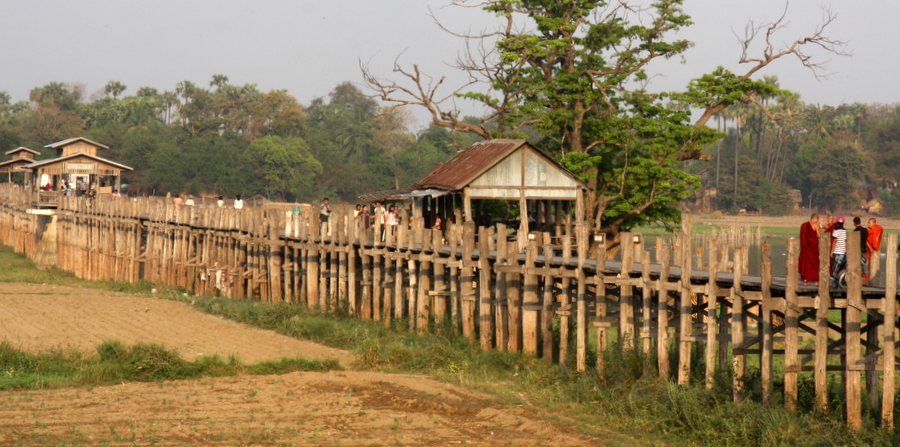
Myanmar: Wooden Bridge

The food in Manadalay tended to be quite cheap and of a fantastic quality. The best by far was the mutton curry from the Chapati Corner. A small dish of oily mutton curry, a couple of freshly made chapatis and bit of biriyani… One of the best street side meals I have ever had. Another good place was the Nepali Restaurant listed in the Lonely Planet. Good food, good price.

Myanmar: Mandalay Monk

OK, so why travel to Mandalay? Are there any sites? Well, yes. I’d recommend going to see the big wooden bridge at sunset and visiting a bunch of the old royal capitals. None of it was spectacular, but definitely worth a visit and easily enough to occupy a full day of touring. One cool thing to observe were the package tourists at the monastery in Amarapura. OK, it wasn’t cool. It was actually quite shocking. At 11am, the monks from the monastery gather to have a feed and there is a bit of ceremony about it. Well, bus loads of tourists roll up to have a look (us included!). But the manner in which people were interacting with the monks was hideous. Hoards of people sticking their cameras in monks’ faces, yelling and asking them to move or pose in a certain way and generally treating the whole situation like is was some sort of zoo exhibition. If this doesn’t make you cringe, nothing will. But at the same time, it was interesting to observe and gives the opportunity for self-reflection. Are we any better? Probably not.

Bagan

I’ve read many stories comparing Bagan to Angkor. First of all, there is no comparison. Totally different feel. I preferred Angkor much more for the following reasons. Firstly, Bagan is not set in a jungle. When we were there, it was like it was in the middle of the desert complete with searing heat. We got a horse and cart around the sites, although some had suggested a bicycle (like in Angkor!) – needless to say biking was out of the question.

I really wanted Bagan to be magnificent, but the polish was removed when travelling into town on the public bus from Mandalay, all foreigners were ordered to leave the bus 5 miles out of town to pay money at a checkpoint. It felt really uncomfortable to be on a bus packed with locals only to be asked to disembark to pay a fee. And the handful of foreigners on the bus felt similarly uncomfortable – especially when one went to pick up a brochure on Bagan and was asked to pay another US$5! Funny in hindsight, but a symbol of the lunacy of the Burmese Government.

There are plenty of reasonable budget accommodation options in Bagan, but food tended to be on the expensive side and was generally of average quality despite the multitude of options. Perhaps this is due to the predominance of package tourists in this small, rural town.

Myanmar: Bagan Temple

OK, so the temples – how were the temples!? To be honest, I wasn’t that impressed. Sure, there were thousands of them. But many of the biggest and best could not be fully accessed due to structural concerns. Ordinarily, this would be reasonable – but given the amount of money being generated down the road at the checkpoint from tourists, surely there is enough to fix some of these temples. Sadly, it seems very little of that money goes back into temple restoration/improvement. Many of the smaller temples lack atmosphere and your entry into them is often interrupted by locals selling paintings. Not vastly different to Angkor, but at least in Angkor you could find solace once past the invisible line which is the entryway. In Bagan, no such line exists.

Whilst I’m generally negative about Bagan, it is worth a visit. As is everywhere in Burma. Just don’t expect to come back gushing. Rather, expect to come back questioning everything about the place, just as you do when leaving places like Yangon, Mandalay and Kalaw/Inle Lake.

What a very interesting place this is.

Categories
Money Travel

Is it Really Worth Saving a Dollar?

When travelling through South East Asia and probably other parts of the world, you meet all sorts of different travellers.  You meet the package tourist, the flashpacker, the stinky backpacker, the know-it-all backpacker and also a bunch of “normal” backpackers.  But there is a subset of these people that I am really interested in.  It’s the stingy traveller.  The type that will do anything to save a dollar. At times, I’m this person and it annoys me no end because in most cases it’s nonsensical.

Myanmar: Local Transport

I’m particularly frail when it comes to transport – taxis, tuk tuks, becaks, etc.  I will tend to argue for extended periods of time, refuse countless offers of transport and even walk miles just to prove the point that I won’t be ripped off by a taxi driver.  Ripped off, as in, not paying an extra 50 cents or a dollar over what I believe a reasonable price to be.  And I base my pricing on the wages which I know the local populace are getting.  Now, in the heat of battle, it all seems fair – why should a local person get an extra dollar for a short ride when the daily wage is $3?  And from an economic perspective, it does make sense.  There are farmers slogging their guts out in the ricefield for $3 in the beating sun, yet a taxi driver lounging under a tree all day waiting for a tourist to sting can make double that for a short ride.  From a moral perspective, however, it’s probably not right to quibble over a dollar and from a convenience perspective, I’m certainly doing myself a disservice!

Myanmar: Budget Accommodation

As far as saving a dollar goes, the same issues apply to accommodation.  Sure, you can screw down prices to almost nothing, but if you spend an extra couple of dollars when travelling in SE Asia, you can really boost the quality of your digs.  Moving from $4 to $6 can mean attached bathroom, better outlook, less noise and a generally more pleasant stay.

What about food?  Many places in Asia are dirt cheap.  $1 for a substantial meal.  But occasionally, it’s nice to have an even nicer meal that might cost double.  Yes, $2!  I’ve met lots of people that will refuse to pay the extra dollar because it’s essentially a doubling of the expenses for the night.  But come on…  it’s an extra dollar.  And for an extra dollar, it might mean an even more awesome meal than the dollar meal.  More food, better produce and perhaps some meat that might otherwise be missing.

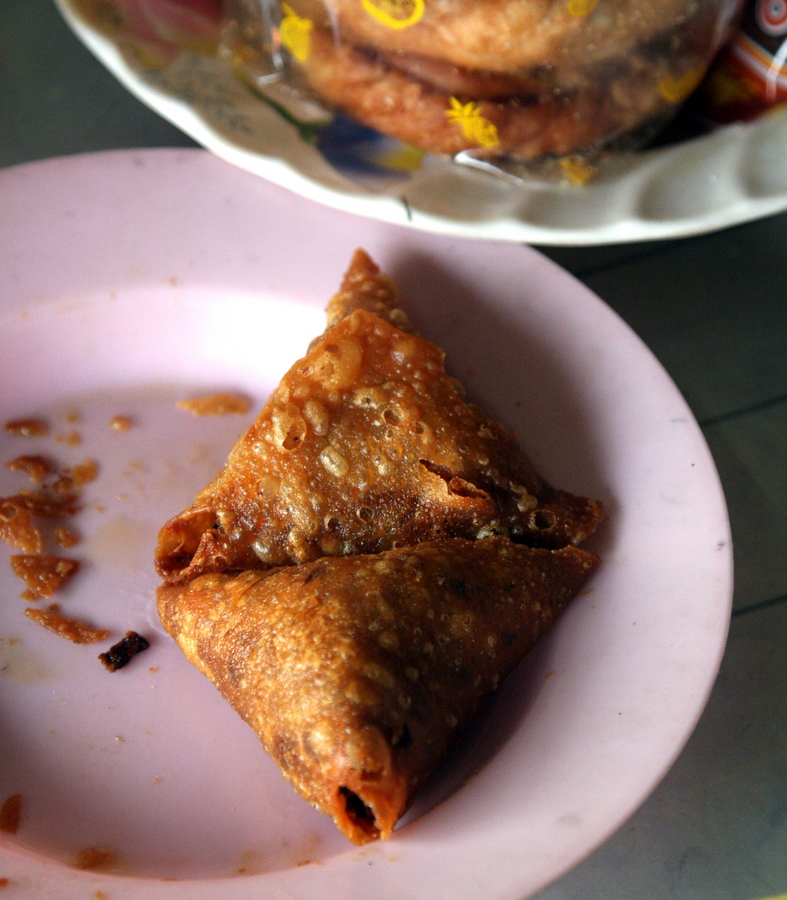
Myanmar: Samosa
Myanmar: Samosa

Some will argue on the flipside that the cheaper you travel, the longer you can travel.  Spending $20 vs $22 per day means you get to travel for 10% longer. For some, this might be wise, but for me…  I’m usually getting travel weary in the last 10% of my journey anyway and getting home a little earlier is no big deal – and I get a more pleasant experience while I’m at it.  What’s your view on saving a dollar?